Stage 4 Chronic Kidney Disease (CKD)
At stage 4 CKD, there is advanced kidney damage, with a high risk of progression to kidney failure. Learn about the symptoms, treatment options and how to manage CKD at this stage.
Symptoms of stage 4 CKD
The signs of CKD generally start appearing at stage 3, but sometimes they do not appear until stage 4. During stage 4, symptoms are more common and may worsen while kidney function declines further.
The symptoms of stage 4 CKD may include:
- Fatigue
- Shortness of breath
- Swelling in your hands and feet
- Puffy eyes
- Change in urine colour or volume
- Muscle cramps
- Poor appetite
- Nausea and bad taste in the mouth
- Trouble sleeping
- Itch
- Discoloration of nails and skin
Symptoms may vary between people. It’s important to be aware of all the symptoms of CKD so you can discuss what you are experiencing with your doctors.
Learn more about the different kidney disease symptoms you may experience.
Treatment for stage 4 CKD
Treatment for stage 4 CKD is focused on addressing health issues caused by impaired kidney function, slowing down the progression of CKD and exploring the need for kidney replacement therapy. During this stage, your regular doctor should refer you to a kidney specialist, also known as a nephrologist, to oversee your care. Based on an assessment of your overall condition, your nephrologist will discuss with you the potential for kidney replacement therapy (dialysis and transplantation) should you progress to stage 5 CKD, commonly known as kidney failure or end-stage kidney disease.
Managing stage 4 CKD
It’s critical to manage stage 4 CKD in order to slow down its progression. Treatment also will be focused on the complications caused by CKD, such as anemia and metabolic bone disease. At this stage, it is also important to focus on maintaining fluid balance to avoid fluid build-up in your legs or lungs.
Other recommendations include making changes to your diet, exercising moderately, quitting smoking, limiting alcohol consumption, maintaining a healthy weight and monitoring other health conditions, such as high blood pressure or diabetes.
Living with CKD
Diet
Diet is an important part of managing kidney disease, as kidneys filter toxins and excess salts and potassium. A dietitian is a crucial member of your healthcare team overseeing your care. For stage 4 CKD, you will get specific dietary recommendations around your consumption of protein, phosphorus, and potassium, along with reduced sodium intake. You also will receive specific advice about your daily fluid intake.
Exercising
Exercise is key to remaining healthy, even more so after being diagnosed with CKD. Regular exercise can also help manage other conditions, such as high blood pressure and diabetes. At stage 4 CKD, you should be able to exercise moderately. Discuss your exercise routine with your healthcare team and follow their recommendations.
Regular monitoring
Regular monitoring and follow-ups with your healthcare team are vital at stage 4 CKD. Your nephrologist will want to see you at regular intervals to assess if there has been progression and help manage the symptoms and complications caused by CKD. You will also have to continue to consult your primary care doctor and any other specialists for specific health conditions.
The prognosis for stage 4 CKD
At stage 4 CKD, your kidneys are severely damaged, and overall kidney function has substantially declined. However, it is still possible to slow down the progression of CKD and manage other potential health issues by following your healthcare team’s recommendations.
It is essential to know that, depending on your overall condition and the decline in kidney function, your healthcare team will start planning kidney replacement therapy options for when you progress to stage 5 of chronic kidney disease, also known as end-stage kidney disease.
Talking about kidney replacement therapy
Your nephrologist and other multidisciplinary healthcare team members will start assessing your overall condition and giving you information about kidney replacement therapy. They will discuss the available treatment options and will want to hear your views on how the various treatments would fit your lifestyle and preferences. You should fully understand the different options and think carefully about which would work best for you. At the end of that process, you and your nephrologist will decide on the best treatment option for you.
Frequently asked questions
Can CKD be cured at stage 4?
CKD cannot be cured, but its progression can be slowed with treatments such as ACE inhibitors, ARBs and now SGLT2 inhibitors.
How do doctors diagnose my stage of CKD?
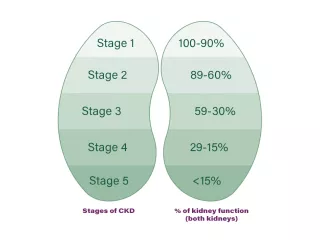
A standard test to diagnose the stage of CKD is a blood test that determines the estimated glomerular filtration rate (eGFR), which indicates kidney function. In stage 4 CKD, the eGFR is between 15 and 29 ml/min.
What should I ask my healthcare team when diagnosed with stage 4 CKD?
At stage 4 CKD, you are likely to be under the care of a nephrologist and a healthcare team. It can be overwhelming when you are first diagnosed with CKD, so it is best to address your concerns with your healthcare team. Some questions you may want to ask at this stage are:
- What is my eGFR? This will help you understand the severity of your kidney damage.
- What should I expect next?
- What drugs may reduce kidney damage and slow the progression of CKD?
- What lifestyle changes do I need to make?
- Do I need to make any changes to my medicines for other health issues?
- Under what circumstances should I seek urgent medical attention?
How serious is stage 4 CKD?
Stage 4 CKD indicates severe kidney damage, and there is a significant risk of it progressing to stage 5, also known as end-stage kidney failure. You will need to start considering the various treatment options for kidney replacement therapy and the possibility of undergoing kidney transplant. Your healthcare team and nephrologist will advise and prepare you accordingly.
Do I have to start dialysis now?
At stage 4 CKD, you may not have to start dialysis. Still, your healthcare team should discuss with you the possibility of dialysis based on your current situation and the risk of further progression.
Should I tell my family about my stage of CKD?
Sharing your diagnosis with family and friends is important, especially at an advanced stage of kidney disease. You will need support from the people around you to manage your condition. You should also discuss your preferred treatment option as your CKD progresses.
Talking to your doctor
Feeling empowered with knowledge and information can help you have a more productive partnership with your healthcare provider.