Stage 3 Chronic Kidney Disease (CKD)
At stage 3 CKD, your kidneys have been moderately damaged. Learn about the symptoms, treatment options and how to manage CKD at this stage.
Symptoms of stage 3 CKD
CKD is a silent condition as it does not display any symptoms during the early few stages. The first signs and symptoms typically only begin to appear in stage 3 or later, once the decline in kidney function leads to a notable buildup of toxins and fluids in the body.
The symptoms of stage 3 CKD may include:
- Fatigue
- Swelling in your hands and feet
- Change in urine color or volume
- Muscle cramps
- Itch
- Poor appetite
These symptoms may not occur at all or at the same time and may appear only gradually as CKD progresses. However, it is important to be aware of these symptoms during each stage, including what you may experience and why.
Your doctor will also be performing blood and urine tests regularly to gauge your CKD stage and its risk of progression.
Learn more about the different kidney disease symptoms you may experience.
Treatment for stage 3 CKD
Treatment for stage 3 CKD is aimed at slowing down the rate of progression and managing the health issues caused by declining kidney function.
Drugs such as Angiotensin-converting enzyme (ACE) inhibitors, Angiotensin-receptor blockers (ARBs) and now sodium-glucose cotransporter-2 (SGLT-2) inhibitors are effective at reducing further kidney damage and slowing down the CKD progression. Other treatments and dietary changes may also be required for possible related health issues, such as anemia or high salt levels. However, there is no requirement for dialysis during stage 3 CKD.
Managing stage 3 CKD
Once diagnosed with stage 3 CKD, it is important that you make some lifestyle changes and work with your doctor to optimally manage your condition. At this stage, your regular doctor is likely to refer you to a kidney specialist, also known as a nephrologist, to oversee your care in the long run.
Depending on your overall health, the required lifestyle changes can differ, but typically these will include specific changes to your diet, moderate exercises, quitting smoking, limiting alcohol consumption, maintaining a healthy weight, monitoring your general condition and any other recommendations that your healthcare team may have for you.
Living with CKD
Diet
Diet is an integral part of managing CKD. Since kidneys are responsible for filtering out toxins and excess fluid from your body, what you consume impacts how much your kidneys need to work. When your kidneys are damaged, you may need to change your diet.
For stage 3 CKD, nutritional requirements vary between individuals. It is important to gain advice from a dietitian who can help create a kidney-friendly diet plan that fits your specific needs.
Exercising
Exercise is key to remaining healthy, and it is no different once being diagnosed with CKD. Regular exercise can also help manage other conditions, such as blood pressure and diabetes. At stage 3 CKD, you will be able to exercise normally as before and even start a new exercise routine. You should discuss your exercise routine with your healthcare team and follow the recommendations.
Regular monitoring
Monitoring your health is vital at this stage. Your primary care doctor will typically help manage your overall health and monitor conditions such as high blood pressure and diabetes. Meanwhile, your nephrologist will see you at regular intervals to assess the progression of your CKD.
The prognosis for stage 3 CKD
At stage 3 CKD, your kidneys are moderately damaged, and kidney function has declined. Treatments can effectively slow the progression of CKD and manage other health issues.
Stage 3 is still far from kidney failure, and a diagnosis at this stage can help improve the disease progression as treatment can commence, and the progression will be monitored carefully. It is possible to stay at stage 3 CKD for years with CKD not progressing to end-stage kidney disease.
Frequently asked questions
Can CKD be cured at stage 3?
CKD cannot be cured, but its progression can be slowed with treatments such as ACE inhibitors, ARBs and now SGLT2 inhibitors. Often, patients with stage 3 CKD do not progress further and do not require dialysis.
How do doctors diagnose my stage of CKD?
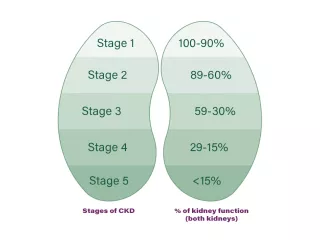
The diagnosis of CKD can be achieved via a blood test to establish the level of kidney function. A standard test to diagnose the stage of CKD is a blood test that determines the estimated glomerular filtration rate (eGFR), which gives an indication of your kidney function. In stage 3 CKD, the eGFR is between 30 and 59 mL/min.
How serious is stage 3 CKD?
At stage 3 CKD, your kidneys can function on their own, even while they are damaged. You can work with your healthcare team to slow down the progression of CKD, and it may not advance to requiring dialysis. Therefore, keeping your kidney function under close monitoring is very important.
Do I need a specialist, or can my regular doctor treat me?
Your regular doctor can treat you in the beginning, but as your kidney disease progresses, you will need to be seen by a doctor who specializes in kidney health, also known as a nephrologist. It is very important that you regularly attend an outpatient clinic to be monitored for any progression of CKD and to ensure you receive the right treatments.
Should I tell my family about my stage of CKD?
Sharing your diagnosis with family and friends can be beneficial. To manage your CKD and slow its progression, you will have to make certain lifestyle changes, and it can be helpful if people around you understand your condition.
Does stage 4 CKD follow soon after stage 3 CKD?
The progression from stage 3 to stage 4 does not happen to everyone. The progression of kidney disease depends on multiple factors, including your overall health and how your kidneys respond to treatments and lifestyle changes. It is possible to remain in CKD stage 3 for a long period of time.
What should I ask my doctor when diagnosed with stage 3 CKD?
It can be overwhelming when you are first diagnosed with CKD. Talk to your doctor about your concerns. Some questions you may want to ask are:
- What is my eGFR? This will help you understand whether you are at CKD stage 3a or 3b.
- What should I expect next?
- What drugs may reduce kidney damage and slow the progression of CKD?
- What lifestyle changes do I need to make to slow down the progression of my kidney disease?
- Do I need a dietitian? Often your doctor can refer you to a renal dietitian who will help you follow a kidney-friendly diet plan.
Talking to your doctor
Feeling empowered with knowledge and information can help you have a more productive partnership with your healthcare provider.