Stage 5 Chronic Kidney Disease (CKD)
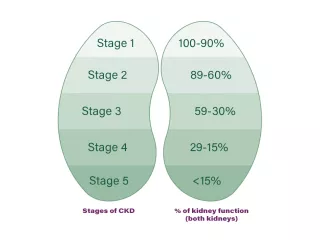
Stage 5 CKD is also known as end-stage kidney disease, and indicates kidney failure. Learn about the symptoms, treatment options and how to manage CKD at this stage.
Signs and symptoms of stage 5 CKD
Here are some common symptoms of stage 5 CKD:
- Fatigue
- Shortness of breath
- Swelling in your hands and feet
- Puffy eyes
- Change in urine colour or volume
- Muscle cramps
- Loss of appetite
- Nausea and bad taste in the mouth
- Trouble sleeping
- Itch
- Discoloration of nails and skin
It’s important to be aware of the symptoms of kidney failure and to inform your doctors and nephrology team regarding any new changes or symptoms.
Fatigue and loss of appetite are two crucial symptoms at this stage, and it is important to keep a watch out for these symptoms.
Learn more about the different kidney disease symptoms you may experience.
Diagnosis at stage 5 CKD
If you are first diagnosed with CKD at stage 5, you will need to urgently see a kidney specialist, also known as a nephrologist, to assess the underlying kidney problem and to discuss the necessary treatment options. This can be an extremely stressful and anxious time, and it is important to gather all the information on the potential treatment options.
Treatment options for stage 5 CKD
At stage 5 CKD, kidney disease is not reversible. You will likely be prescribed a range of medications to not only help with kidney function but also to manage other health issues that CKD causes, such as anemia and metabolic bone disease. Your nephrology team would have assessed you and discussed the treatment options available before you progress to this stage – in particular, dialysis and kidney transplant.
In some situations, if dialysis and kidney transplant may not be the best option for you, you may consider conservative care. Conservative care does not mean you do not receive any treatment, but rather you will continue with medication instead of receiving dialysis.
Every patient is unique, so your conditions and preferences will be considered before deciding on the kidney replacement therapy best suited for you. By this time, plans should be in place for kidney replacement therapy to begin, including the creation of your dialysis access.
Dialysis
Dialysis is a medical process that mimics the functions of healthy kidneys by removing toxins from the body and maintaining fluid balance.
The two main types of dialysis are Hemodialysis (HD) and Peritoneal Dialysis (PD). Typically, PD is performed at home, while HD is performed in a dialysis center. It is important to know that you may want or need to switch between two different types of dialysis, depending on your clinical condition and preferences over the following years.
If you have been under the care of a renal unit, be it in a public hospital or private clinic, you should have access in place for dialysis to commence – a fistula in your arm for HD or a catheter in your abdomen for PD.
Kidney Transplant
A kidney transplant involves a surgical procedure where a healthy kidney is placed inside your body.
The nephrology team will also be assessing your suitability for a kidney transplant. In some countries, a small number of people may be able to receive a kidney transplant before dialysis. However, typically, eligible people will receive a transplant while on dialysis.
Conservative Care
Conservative care improves your quality of life by managing symptoms without dialysis or a kidney transplant. This may include medications.
Every patient is unique, so your conditions and preferences will be considered before deciding on the kidney replacement therapy best suited for you.
Managing stage 5 CKD
Proper CKD management is vital to improving your quality of life. Therefore, you should maintain a regular exercise routine and follow the recommended diet. You should also stop smoking and monitor your other health conditions. At this stage of CKD, you will need to visit hospitals frequently to monitor your kidney condition. You should also be starting your kidney replacement therapy when needed.
When is kidney replacement therapy started?
Your nephrologist will assess the best time to start dialysis based on your symptoms and blood test results. There is no hard and fast rule regarding when you should start dialysis. The treatment should be tailored based on your lifestyle and life goals.
People diagnosed with stage 5 CKD will need quick clinical assessments and may need to start urgently on dialysis.
Living with CKD
Diet
Diet is an integral part of managing your CKD condition. The recommended protein, fluid, and potassium intake can vary based on your CKD treatment option. It is imperative to follow your dietitian’s recommendations to ensure you stay well-nourished.
Learn more about maintaining a kidney-friendly diet.
Exercise
Exercise is key to staying fit and mentally healthy at stage 5 CKD. Maintaining an active lifestyle can be instrumental in improving your other health conditions, such as high blood pressure and diabetes.
There may be some specific limitations depending on the type of dialysis you are on. Do plan your exercise routine with your nephrology team and follow their recommendations accordingly.
Find out more about exercising while on dialysis.
Regular monitoring
Regular monitoring of your kidney function is vital at this time as you prepare to start kidney replacement therapy. You may also need to see other doctors to have your dialysis access surgically created. You should visit your primary care doctor regularly to keep them informed and to have your care team advise and guide you closely as you initiate your kidney replacement therapy.
The prognosis for stage 5 CKD
Talking to your nephrologist about your short-term and long-term challenges and goals is important and will assist in personalizing your treatment. This can be a challenging time for you and your loved ones, and it is, therefore, important to get all the help and information you need as you start dialysis.
Frequently asked questions
How do doctors diagnose my stage of CKD?
The diagnosis of CKD is done through blood and urine tests. The tests diagnose the stage of CKD by determining the estimated glomerular filtration rate (eGFR) and protein content in your urine, which give an indication of your kidney function. In stage 5 CKD, the eGFR is less than 15 mL/min.
Should I tell my friends and colleagues that I am at stage 5 CKD?
It is important that you share your CKD diagnosis with your family or the people you live with, so they can support you as you make decisions. But it is up to you whether you want to talk about the stage of your kidney disease with other people. Generally, sharing your condition with people close to you is beneficial as you may need their support and understanding while undergoing treatment.
What is the life expectancy for stage 5 CKD?
There is no simple answer to this. Life expectancy depends on many factors, such as age, gender, and your overall health. Stage 5 CKD is also referred to as end-stage kidney disease or kidney failure, but this does not mean the end of life. You should talk to your nephrologist about your condition and how dialysis or kidney transplant can improve your survival.
What should I ask my healthcare team when diagnosed with stage 5 CKD?
At stage 5 CKD, you should be under the care of a nephrologist and a healthcare team. You should have considered the different CKD treatment options, such as dialysis, conservative care, or kidney transplant. Some questions you may want to ask at this stage are:
- What is my eGFR?
- Do I need to start dialysis? And if yes, when?
- Is kidney transplant a viable treatment option for me, and what are the next steps required?
- Can I receive a kidney transplant without undergoing dialysis?
- How do I know which treatment option is the best for me?
- Do I need to make any changes to my medications?
- Under what circumstances should I seek urgent medical attention?
Find out important questions to ask your kidney doctor or nephrologist to make an informed decision about your CKD treatment.
Can stage 5 CKD be reversed?
When you reach stage 5 CKD, it is incurable and the damage to kidney function cannot be reversed. However, there are treatments available that can help slow down the progression of the disease, and lifestyle changes can also make a significant difference in improving your quality of life even with stage 5 CKD.
Talking to your doctor
Feeling empowered with knowledge and information can help you have a more productive partnership with your healthcare provider.