Peritoneal Dialysis (PD) at Home
PD is a treatment that uses the lining of your abdomen – called the peritoneal membrane – to remove waste products from your blood. Learn about the benefits of PD at home and discuss with your care team whether it may be right for you.
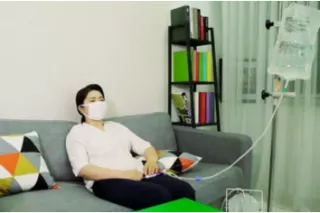
Continuous Ambulatory Peritoneal Dialysis (CAPD)
CAPD is a treatment that uses gravity to fill and drain dialysis solution from your abdomen.
CAPD exchanges are usually done 3 to 4 times a day, mainly upon waking, before lunch and dinner, and at bedtime. During a CAPD exchange, dialysate replacement is performed manually by you or your caregiver during the day. During each replacement, it may take up to 30 minutes to drain the used dialysis solution from the abdomen and fill the abdomen with a new bag of fresh dialysis solution. The patient can then resume regular daily activities until the next exchange.
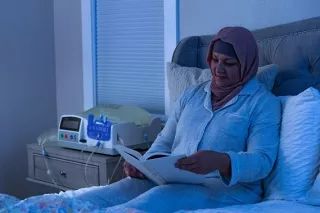
Automated Peritoneal Dialysis (APD)
APD requires a machine to deliver the dialysis fluid into the abdomen.
APD usually takes place at night when a machine is connected to your PD catheter. While you are sleeping, the machine drains used dialysis solution and supplies clean dialysis solution. You can then disconnect from the equipment when you wake up and resume normal activities.
PD is a needle-free dialysis option
PD uses a catheter to introduce dialysis solution into a space in your abdomen to filter your blood through the peritoneal membrane. HD, on the other hand, filters your blood through an external machine, which requires needles to direct your blood into the machine.
PD at home offers flexibility and independence
Doing PD at home can save you frequent trips to the hospital or clinic and gives you more freedom to work or do the activities you enjoy.
You can travel with PD
For many CKD patients, remaining mobile and being able to travel is an important part of maintaining independence. As PD can be done overnight at any place of your choice, it is possible for most dialysis patients to travel and continue their treatment while being away from home. While planning your trip, speak with your clinician about making the necessary arrangements for PD while you are away.
Receiving PD
How do I prepare for PD?
The idea of performing PD at home may make you feel anxious, but it is quite a manageable process. Almost everybody can perform PD with proper training. This will usually require between 2 and 5 days of training, depending on what type of PD therapy you choose.
Your clinician will schedule training for you that will include:
- Setting up your treatment area
- Caring for your catheter exit-site
- Performing PD exchanges
- Handwashing techniques to ensure safe handling of PD solutions
- Storing and ordering supplies for treatment
- Keeping manual treatment logs (if necessary)
- Measuring your own blood pressure, pulse, temperature and weight
- Recognizing and reporting problems with your treatment
- Managing your diet and fluid intake
You will not have to perform at-home PD by yourself until you and your clinician feel that you are ready. Even after this, you will not be alone with your treatment – always remember that your healthcare team is ready to support you at any time.
While performing PD at home, you will still have regular appointments with your nursing team and will be able to ask questions about your treatment or about how to find other resources that can help.
What are the side effects of PD?
Slight discomfort during exchange
Even though no needles are involved in the PD process, the dialysis solution inside your abdomen may sometimes cause discomfort during your exchanges. To relieve the discomfort, your clinician can suggest simple solutions such as the use of laxatives or by employing a drainage technique.
Before starting dialysis, your clinician will discuss various ways to ensure your treatment is as comfortable as possible for you.
Weight gain
Sugar molecules are present in the dialysate used during peritoneal dialysis, and some of them are absorbed by your body during dialysis. The absorbed sugar may cause weight gain in some PD patients.
If you are concerned about gaining weight, you will need to keep track of what you eat and engage in regular exercise. You can consult your doctor for professional advice on how to maintain a sustainable diet and exercise routine. Avoid following any extreme diet to lose weight in a brief time as it may disrupt your body's metabolism and cause you to fall very ill.
Bloating
As peritoneal dialysis patients need to carry fluid in their peritoneal cavity throughout the day, you can have a noticeable abdominal bulge and may experience some bloating. The side effect of bloating may be more evident for patients who are prescribed higher fill volumes, as they will need to carry more fluid in their peritoneal cavity per exchange. Adhering to the daily fluid restriction recommended by your doctor can help to reduce the dialysate volume and make you feel less bloated when dialyzing.
If the bloating persists, you can consult your doctor to modify your PD prescription.
What are the complications of PD?
Peritonitis
Peritonitis happens when your peritoneum, a thin layer of tissue that lines the inside of your abdomen, is infected, usually with bacteria or fungi. It is critical to practice proper hygiene during your dialysis treatment. These include washing hands before dialysis, wearing masks during treatments, applying antibiotic cream to the catheter exit site, and following other precautionary steps instructed by your doctor.
Signs and symptoms of peritonitis can include:
- Pain
- Fever and chills
- Cloudy dialysis fluid after draining
Do consult your clinician immediately if you experience any of these symptoms. Early treatment of infection is vital.
Antibiotic injections are usually used to treat peritonitis. If the infection becomes severe or recurrent, you may need to change to other dialysis options.
Exit site infection
Exit site is the point on the abdomen where the PD catheter exits the skin. The exit site can get infected if you do not keep your exit site clean and dry. Therefore, you should always:
- Practice proper change of dressing as taught by your clinician
- Wash your hands thoroughly before exit site care
- Keep your catheter taped securely
Signs and symptoms of exit site infection can include:
- Redness
- Swelling
- Presence of pus
- Pain
Do consult your clinician immediately if you experience any of these symptoms. Early treatment of infection is vital.
Hernia
A hernia occurs when an internal organ protrudes through the wall of the muscle or tissue that typically confines it. The presence of a lump in your abdomen is the most common symptom of a hernia. It is possible that the lump is painless and will only be noticed during a routine check-up.
Peritoneal dialysis patients have a higher chance of getting a hernia. This is because keeping fluid in the peritoneal cavity for a long time can create a strain on the abdominal muscles.
How long can I live on peritoneal dialysis?
Depending on each individual’s age, medical condition, and lifestyle habits, the life expectancy of dialysis patients can vary. Speak to your doctor about your specific condition and what your expectations might be.
Remote patient management (RPM) with APD
You and your clinician may consider using RPM to manage your APD treatments. RPM allows your clinician to follow your treatment and ensure you are on the right track, which may increase your confidence about doing your treatments at home.
If your APD cycler has RPM capabilities, it can collect accurate information about your home treatments daily and send it to your clinician at the hospital or clinic. Your clinician can monitor your therapy progress, change your machine programs remotely and discuss any problems you are having over the phone.
RPM allows your clinician to easily manage your disease while you’re doing treatment at home. If there are any issues during your treatment, your APD cycler will collect data related to the issue, which can then be reviewed by your clinician. The information your cycler sends to the clinic will help them decide on any changes to your treatment. You can feel confident managing your treatment at home knowing that your clinician is able to track and adjust your treatment. You will still need to contact your clinician or cycler manufacturer to address concerns during treatment that cannot wait until the morning.
Not all APD cyclers have RPM capabilities, so be sure to talk to your clinician about whether RPM fits into your treatment plan.
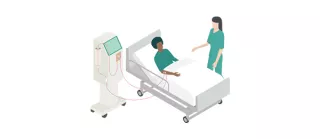
In-Center Hemodialysis (ICHD)
You may prefer to receive dialysis at a hospital or treatment center under the supervision of a clinical care team.
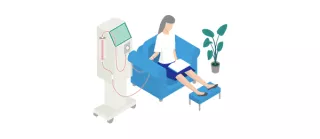
Home Hemodialysis (HHD)
HHD is an at-home dialysis option that enables you to adjust your treatment schedule around your daily activities.
Talking to your doctor
Feeling empowered with knowledge and information can help you have a more productive partnership with your healthcare provider.