Continuous Ambulatory Peritoneal Dialysis (CAPD)
CAPD is a type of peritoneal dialysis (PD) that uses gravity to “exchange” your used dialysis solution for fresh solution.
What is CAPD?
PD uses the lining of your abdomen (also known as the peritoneum) as a natural filter to remove toxins from your blood.1 There are 2 types of PD: CAPD and Automated Peritoneal Dialysis (APD).
CAPD does not require a machine and can be carried out in any clean place. So, whether you’re at home, work, or even traveling, you can continue with your CAPD at your convenience.
Greater independence
CAPD equipment is more portable than other dialysis equipment, so you can perform dialysis in different places, like in the workplace.
Better control of excess fluid
CAPD is known as a “continuous” therapy, which means that waste products and excess fluid can be controlled more easily during the treatment process.
Fewer prescriptions
CAPD patients may also be able to take fewer medications and supplements than if undergoing Hemodialysis (HD).
A less restricted diet
A balanced diet is key for all CKD patients, but since CAPD is carried out several times a day, there is less time for waste to accumulate in your body compared to HD, which means that you may be able to eat more of the foods you enjoy. Additionally, daily PD means that potassium removal is more efficient than HD, so PD patients don’t have to monitor their potassium intake as closely as HD patients.
Frequently asked questions
What is Required for CAPD?
As with all forms of PD, you’ll require a few weeks of preparation. Before starting your treatment, a catheter will be inserted into your abdominal cavity near your navel to enable you to perform the exchange. This minor surgery requires two weeks to a month for wound healing to prevent any leakage before you start CAPD.3 Thereafter, your doctor will provide training on how you can perform CAPD independently.
Some complications that may arise with PD include infection, weight gain and bloating.
Learn more about PD’s side effects.
Will CAPD Affect My Lifestyle?
Like all dialysis treatments, you will need to accommodate some changes in your way of life. However, with a few minor adjustments, you’ll be able to continue living and working as usual. Here are some things to note:
- You'll need to adjust your working schedule to accommodate the time you need to perform 3-4 CAPD exchanges a day.
- Refrain from soaking in the bath or swimming, as this increases the risk of infection. However, you can still enjoy showers and swimming in chlorinated pools.
How long can I live on CAPD?
Elderly CAPD patients may have a shorter life expectancy as compared to APD patients6, however, the presence of other health conditions and increased episodes of peritonitis can also affect the life expectancy of CAPD patients.
Learn more about the average life expectancy of dialysis patients.
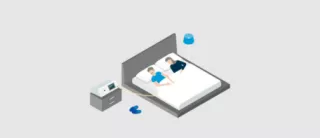
Automated Peritoneal Dialysis (APD)
APD is a type of peritoneal dialysis and it can be done during sleep.
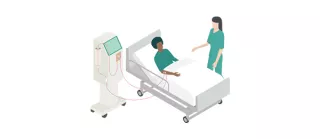
In-Center Hemodialysis (ICHD)
You may prefer to receive dialysis at a hospital or treatment center near you with ICHD.
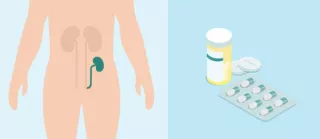
Kidney Transplant & Conservative Care
If you and your clinician decide dialysis isn’t right for you, there are other treatment options you may consider.
Talking to your doctor
Feeling empowered with knowledge and information can help you have a more productive partnership with your healthcare provider.